
Parylene coating – advanced multifunctional protective coating
Parylene (also known as Parylene or Parylene in Chinese) is a common term for a series of unique high polymers. The basic members of this family are called Parylene, which is a highly crystalline material with a completely linear structure.
Parylene is a registered trademark trade name for para xylene polymer, which is a vapor deposition polymer material introduced by Union Carbide Co. in the 1960s in the United States. Parylene is prepared using a unique vacuum vapor deposition process (CVD technology), in which active small molecules “grow” a fully conformal polymer film coating on the surface of the substrate. It can be applied to surfaces of various shapes, including sharp edges, and is claimed to be “ubiquitous” and can penetrate deep into cracks and internal surfaces. The 0.1-100 micron thin film coating prepared by room temperature deposition in this vacuum state has uniform thickness, density without pinholes, transparency without stress, no additives, no damage to the workpiece, excellent electrical insulation and protection, and is even known in the industry as the world’s top special protective coating for moisture, mold (zero level), corrosion, and salt spray prevention.
Parylene coating not only has excellent protective properties, but also has good biocompatibility, biological stability, excellent self-lubricating properties, uniform controllability of the coating, and good physical and mechanical properties. The Parylene coating complies with ISO-10993 biological testing requirements, meets USP Class VI plastic biological testing requirements, and has registered Device and Drug Master Files with the US Food and Drug Administration (FDA), which include biological research results related to Parylene and are available for reference by all commercial coating customers. Over the years, the technology of ultra-thin, pinhole free Parylene conformal coating for medical devices and components has rapidly developed, especially for implantable medical devices, with broad and promising prospects.

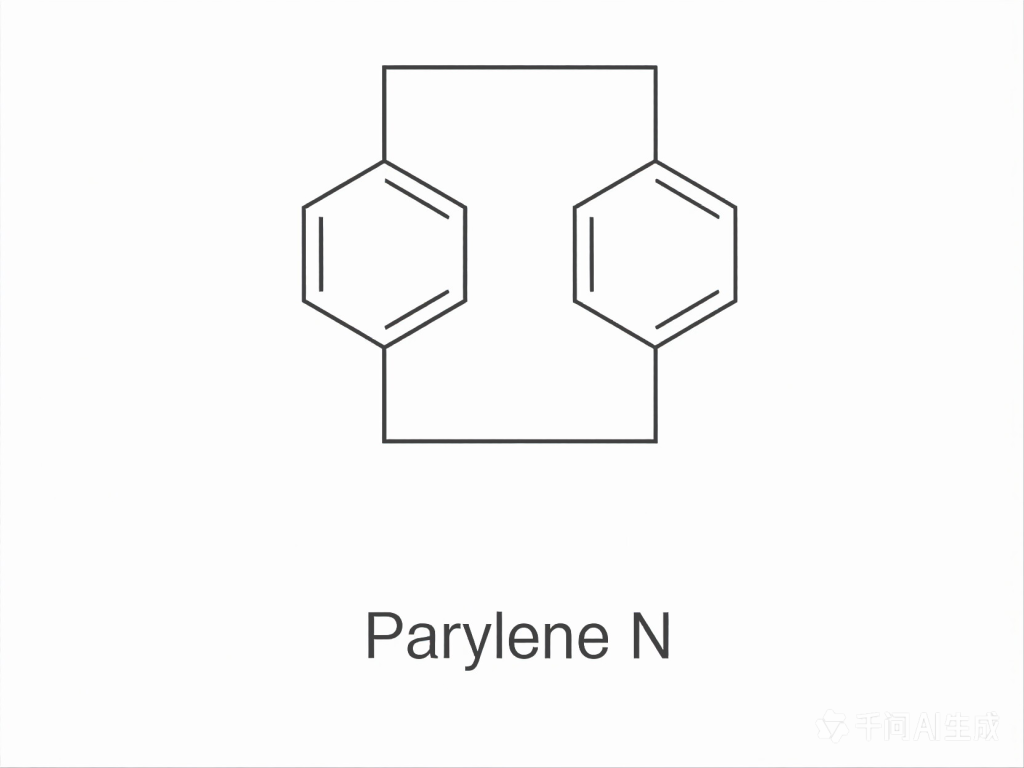
Parylene N
It is a good dielectric material with very low dielectric loss, high insulation strength, and a dielectric constant that hardly changes with frequency. It has the highest penetration ability among all Parylene. Very good self-lubricating properties. The friction coefficient is 0.25, which meets the requirements of ISO-10993 biological testing. Meets the biological testing requirements for UDP Class 6 plastics.
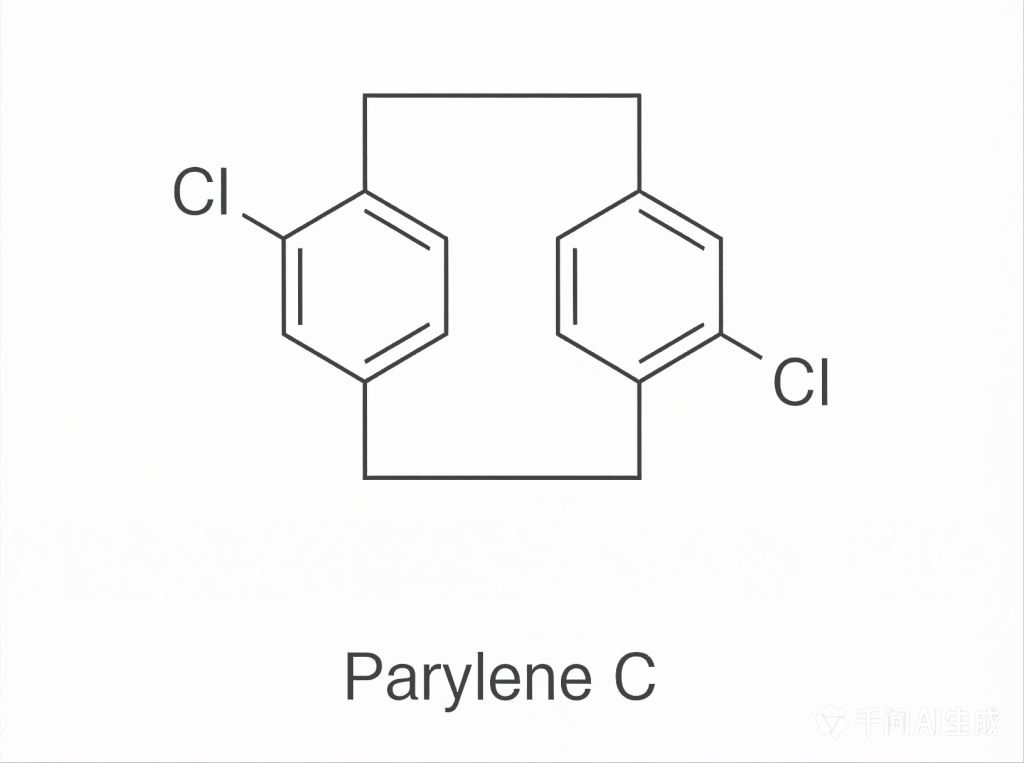
Parylene C
He is the second member in the series with commercial value. It is made from the same monomer, except that one aromatic hydrocarbon hydrogen atom has been replaced with a chlorine atom. Combining excellent dielectric and physical mechanical properties, it has the lowest permeability to humid and corrosive gases. Can provide true pinhole free overlay isolation. Meets the US military standard MIL-46058C and is the preferred material for coating important circuit boards. Compliant with ISO-10993 biological testing requirements. Meets the biological testing requirements for UDP Class 6 plastics.
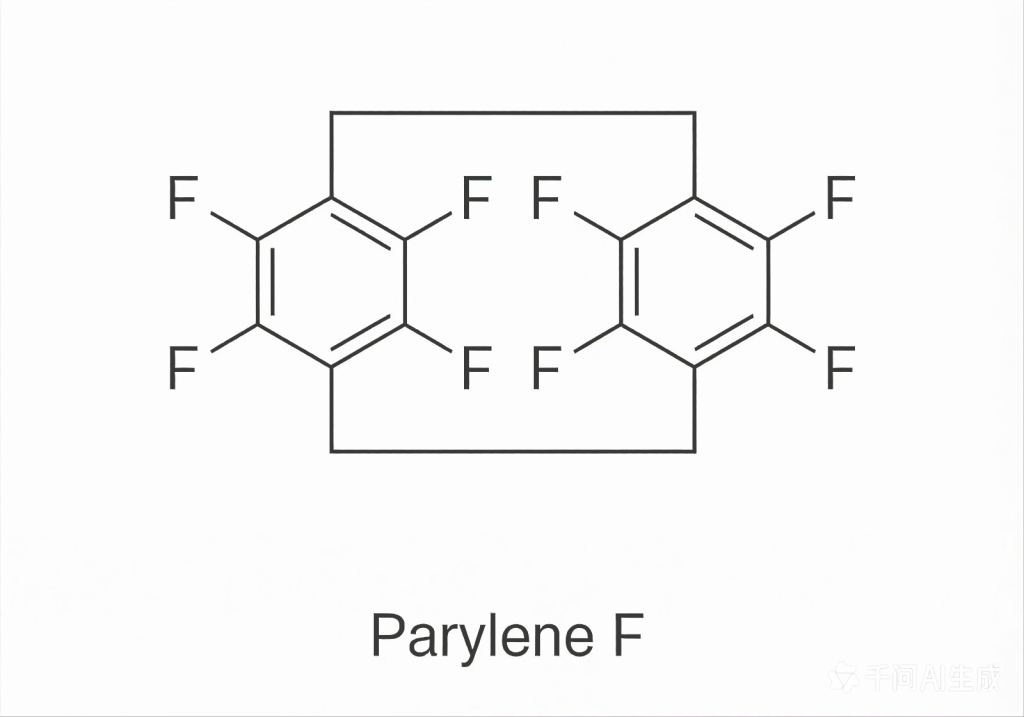
Parylene F
He is the third member in the series. It is made from the same monomer, except that two aromatic hydrocarbon hydrogen atoms are replaced by fluorine atoms. It still has excellent dielectric and physical mechanical properties at higher temperatures. Has high thermal stability.
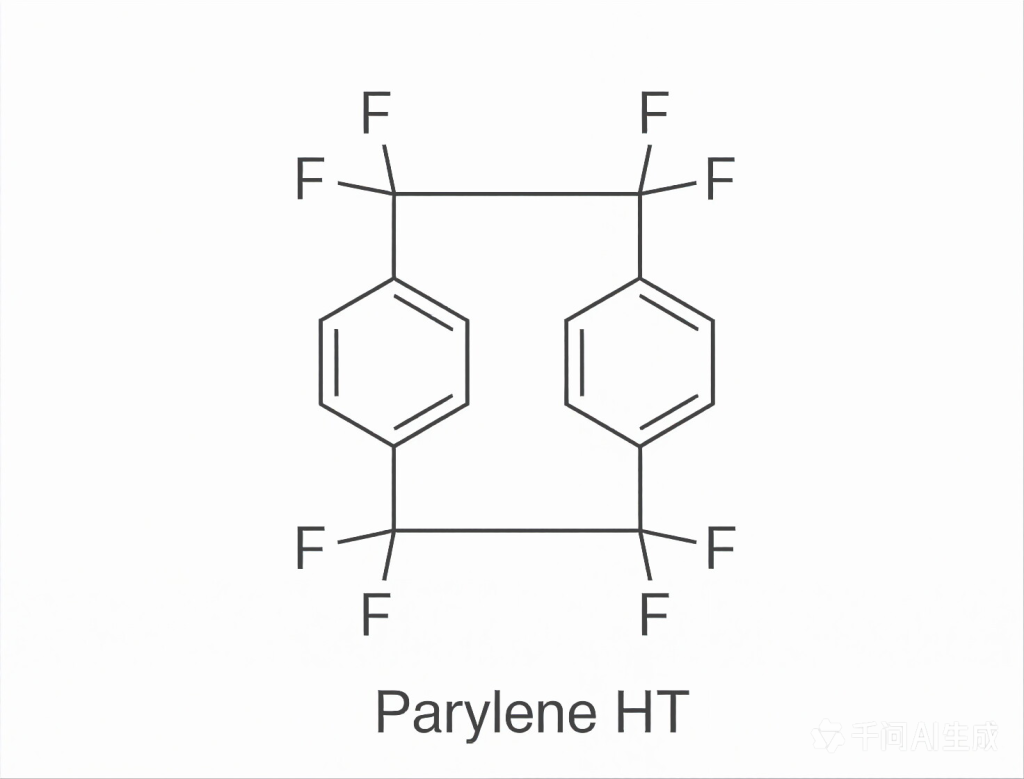
Parylene HT
Having a lower dielectric constant (i.e. good wave transmission performance). Good thermal stability, can be used at 350 degrees Celsius for the long term and 450 degrees Celsius for the short term. Strong waterproof, anti mold, and anti salt spray performance. It is a better protective coating for high-frequency microwave devices. So far, it has strong self-lubricating properties, the smallest dynamic and static friction coefficient, and is superior to the lubricity of PTFE coatings. Compliant with ISO-10993 biological testing requirements. Meets the biological testing requirements for UDP Class 6 plastics.
core strengths
- Excellent biocompatibility, meeting medical certification requirements such as ISO 10993
- Controllable thickness (0.1-100 μ m), excellent shape retention
- Excellent moisture resistance, corrosion resistance, and electrical insulation performance
- Suitable for high-end scenarios such as implantable devices and precision electronics